by Tim
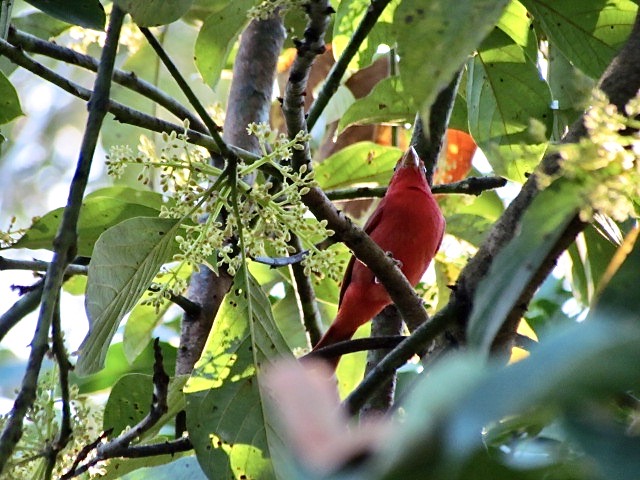
Close your eyes and get ready to take flight as a Tennessee Warbler from an Appalachian oak forest. After feasting on insects in the canopy all summer, it is now October, and the skies are clear – you feel the zugunruhe (my new favorite word meaning restlessness to migrate.) Joining hundreds of thousands of eastern songbirds that are traveling south every night, you find yourself on the southern coast of the Dominican Republic a week later, fattening up for the next, epic part of your journey. Your final stretch carries you over a vast open ocean, this time for three days without touching land. Your final night the constellations are veiled in clouds; no problem – the tug of magnetoreceptors on your beak keeps you tracing a meridian line due south and as day begins to break, you spot the northern tip of South America and the snowcapped peaks of Colombia’s Sierra Nevada, a visual lighthouse to pull you in. The lush forests and waterways will keep you fed and safe for the next 5 months.
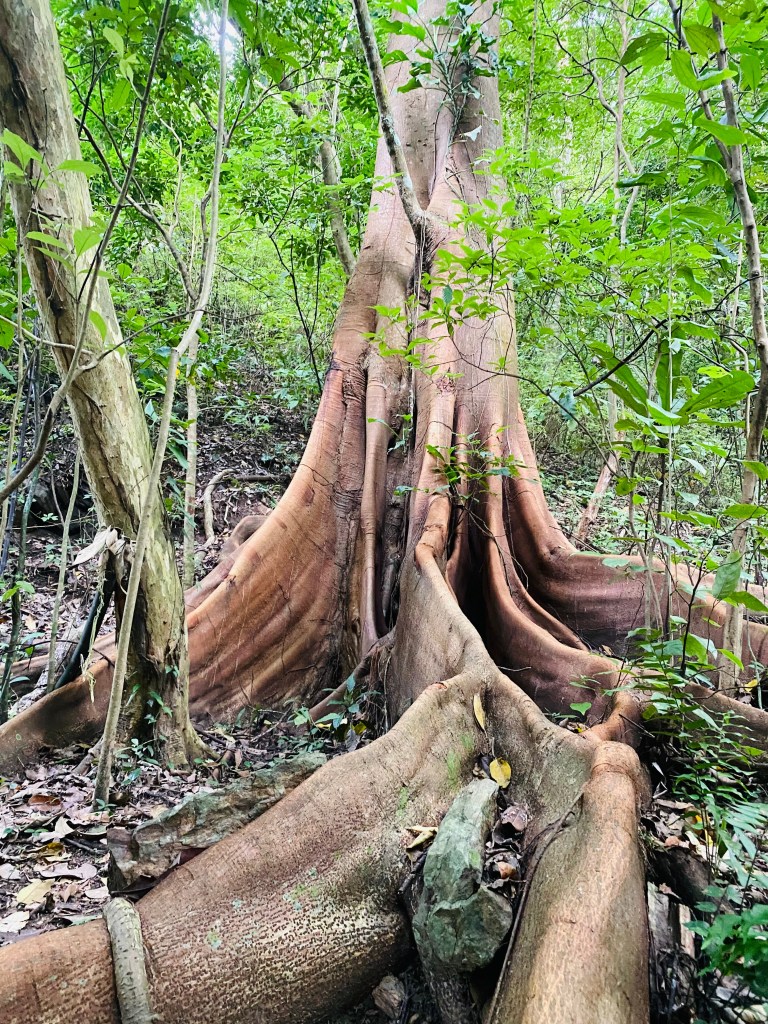
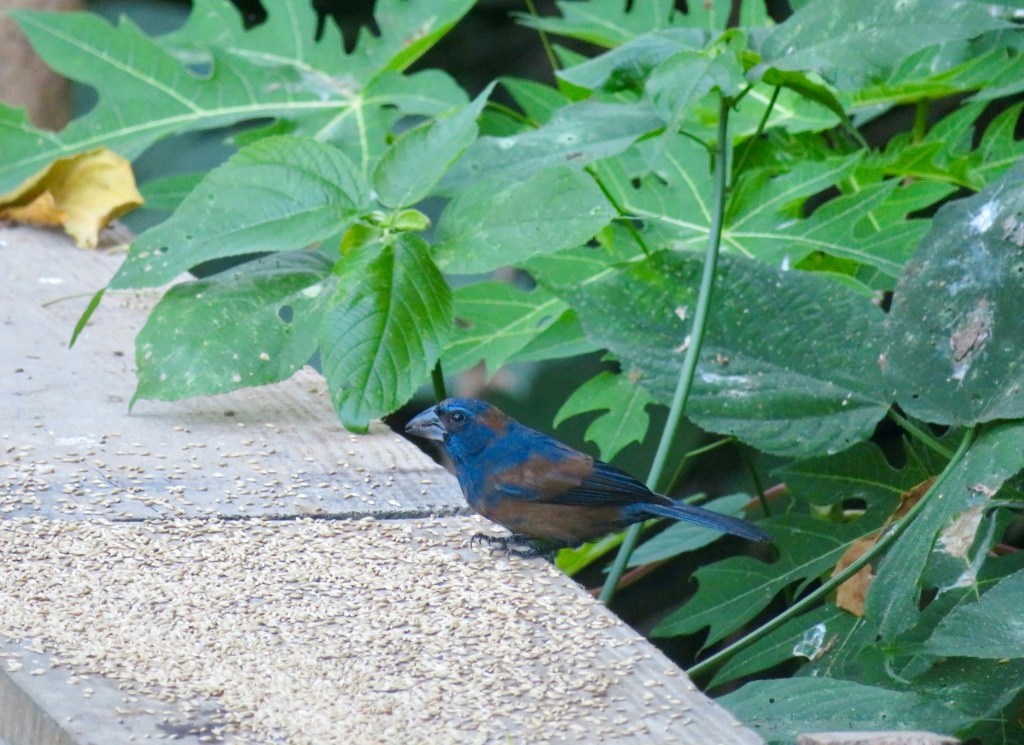
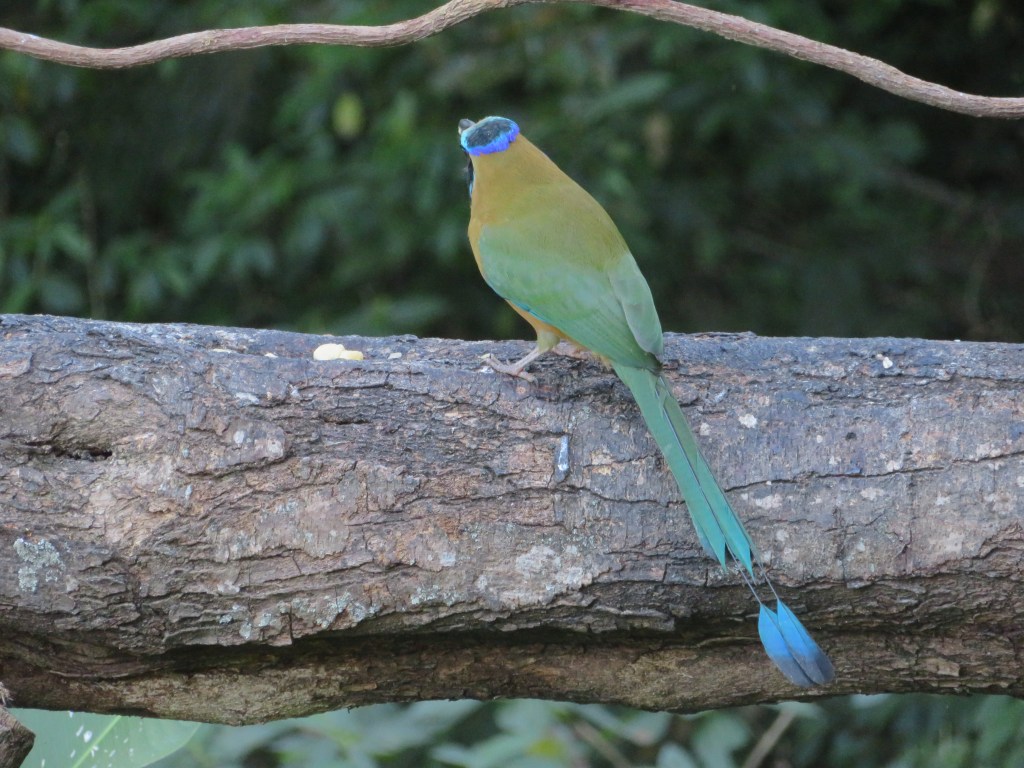
There are many reasons why Colombia is one of the most biodiverse countries on earth: the proximity to these migratory routes, the rugged topography of the Andes, the three distinct tropical rainforests (including the Amazon), and its location directly on the equator. These are all potent ingredients for flourishing diversity.
Cultural diversity keeps pace with biodiversity. In the early 1500’s, Spanish conquistadors arrived to Colombia’s Caribbean coast after a long ocean passage, and the warblers would be right there with them, then as today. Both would arrive to an indigenous culture cloaked in brilliant white cotton garb. In the 1500s this Tayrona culture was fishing the waters and following trails from coastal villages to the high mountain, trading and taking advantage of the amazing diversity of ecoregions found in the 19,000 foot rise. Agrobiodiversity follows – fish, fruits, and cassava down below, with coca, cacao, beans, corn, and potatoes respectively as they travel higher. Hiking up into the mountains is like traversing from southern Mexico to Canada while walking a mere 40 miles.
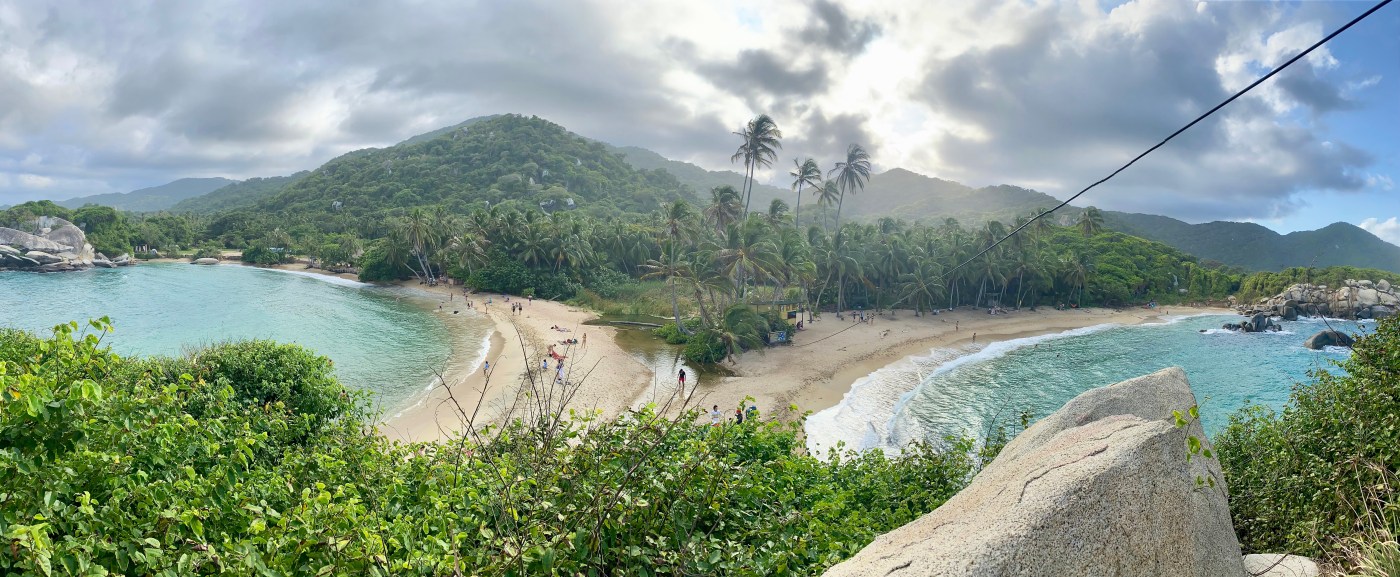
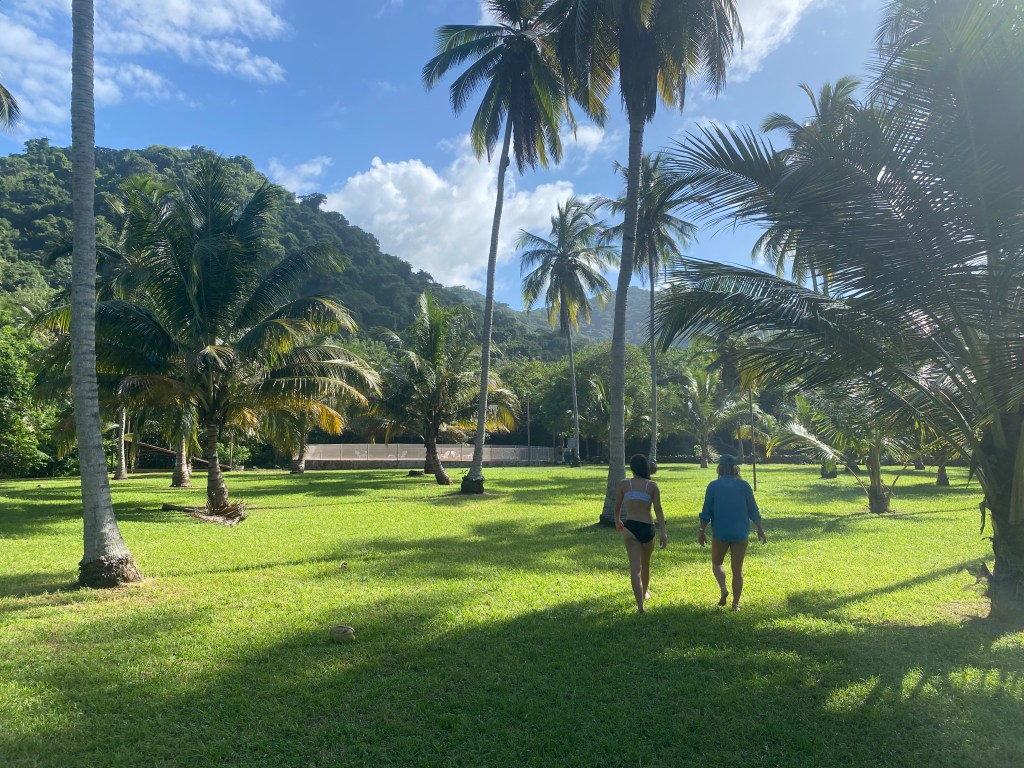
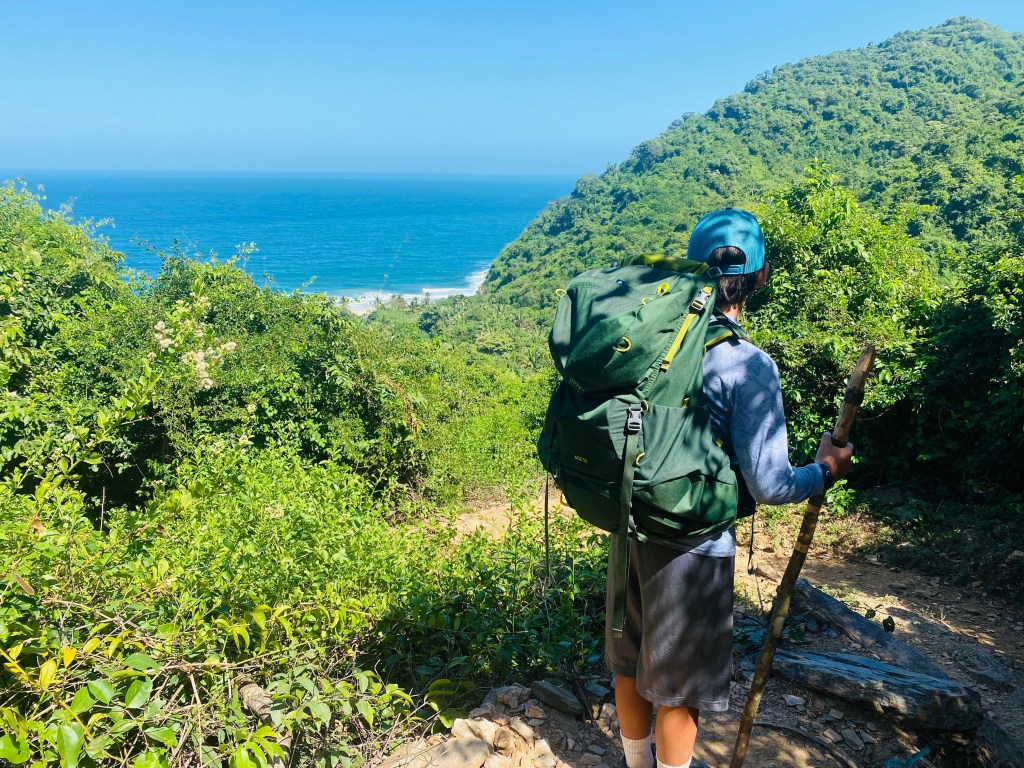
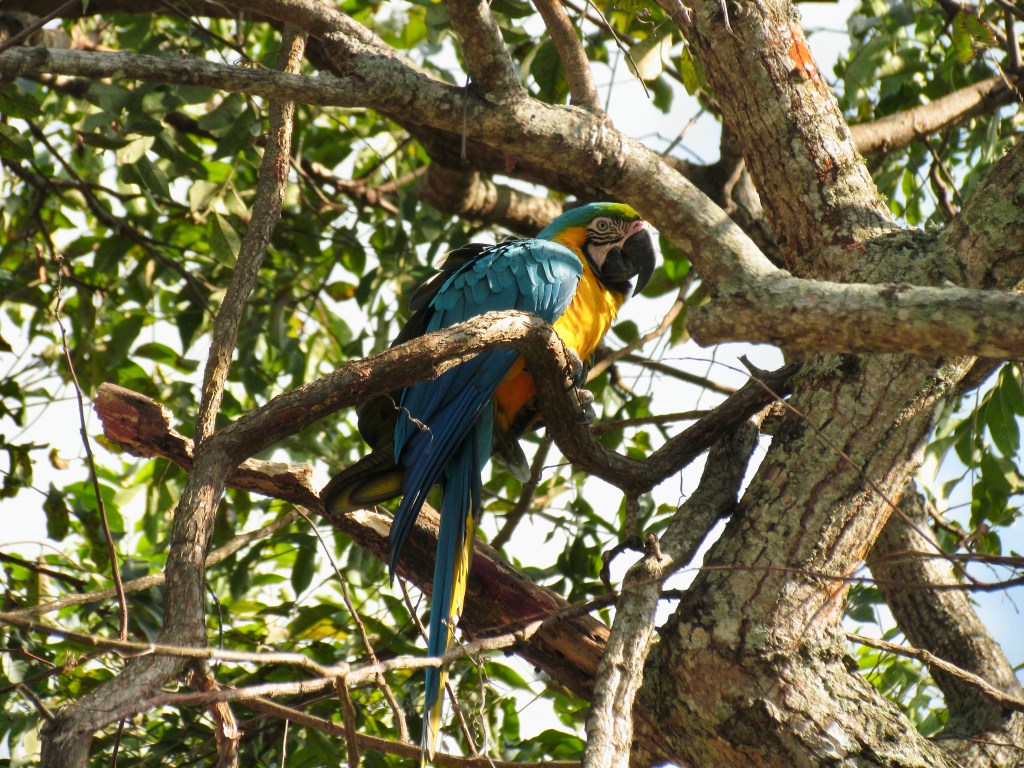
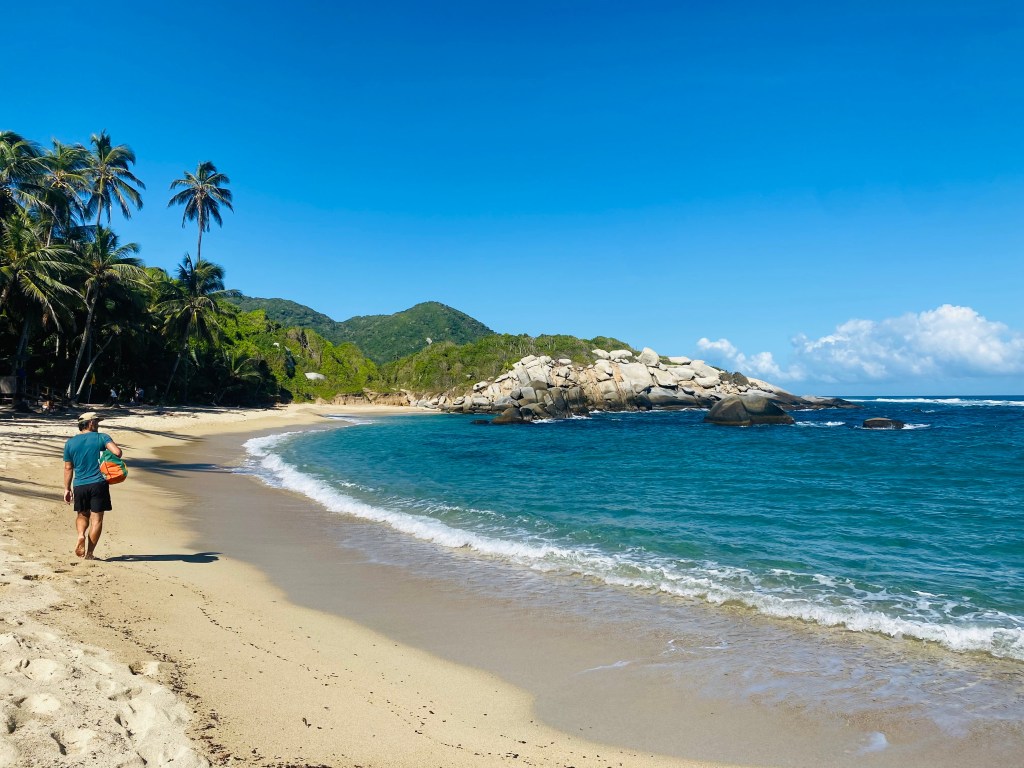
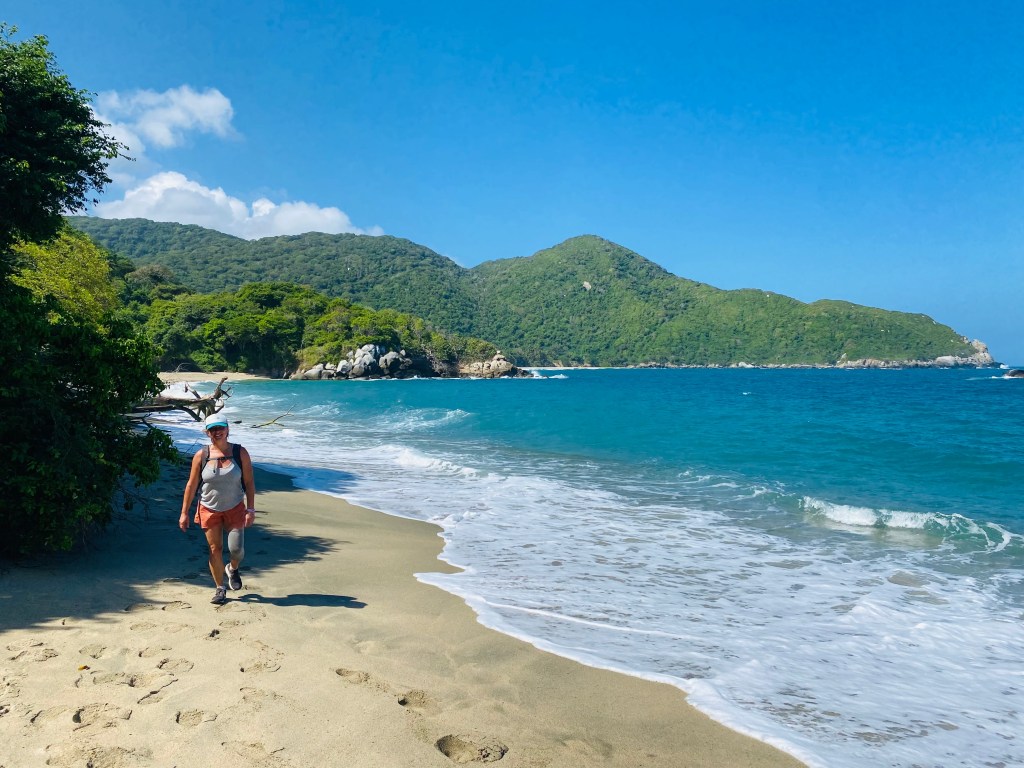
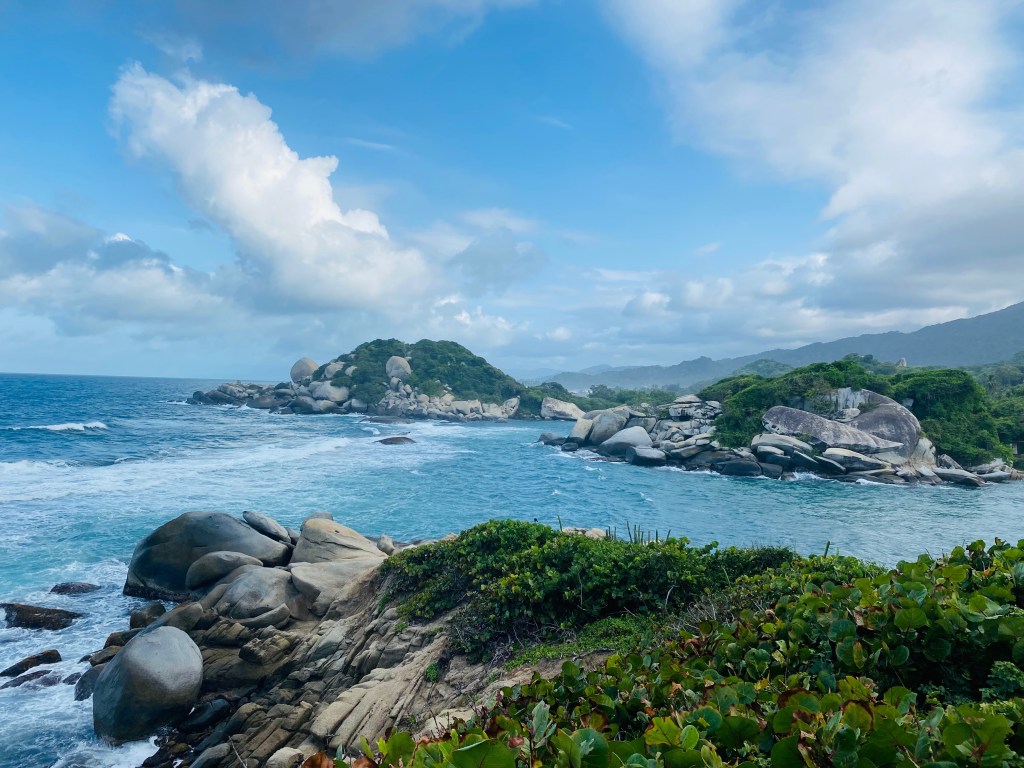
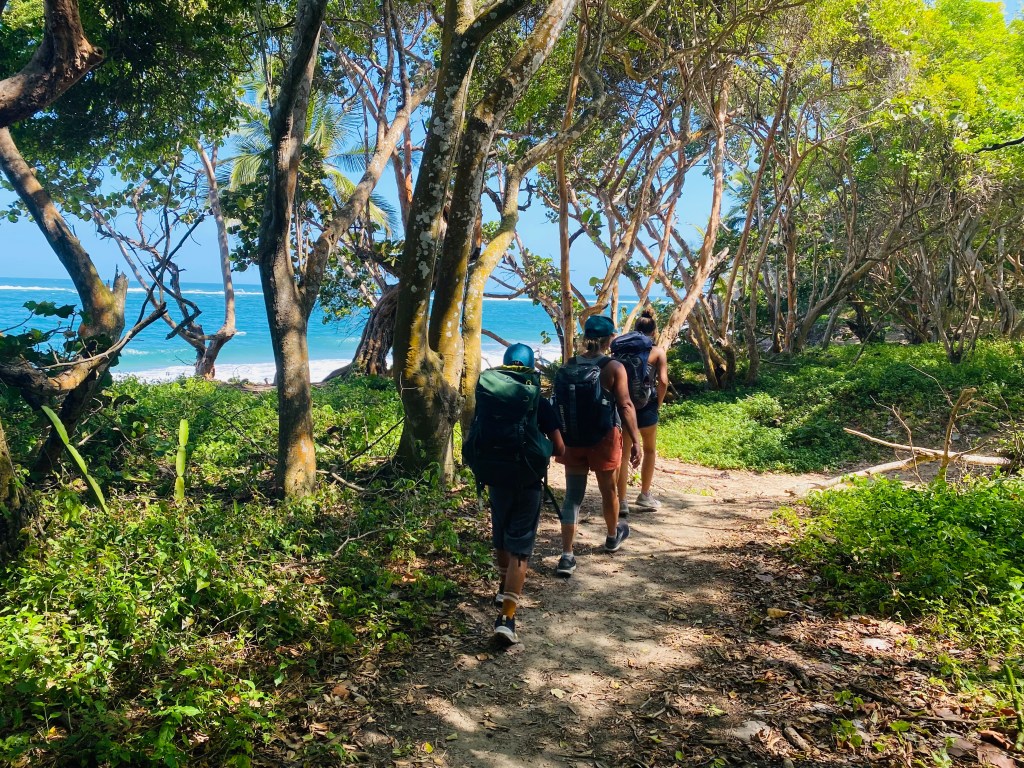
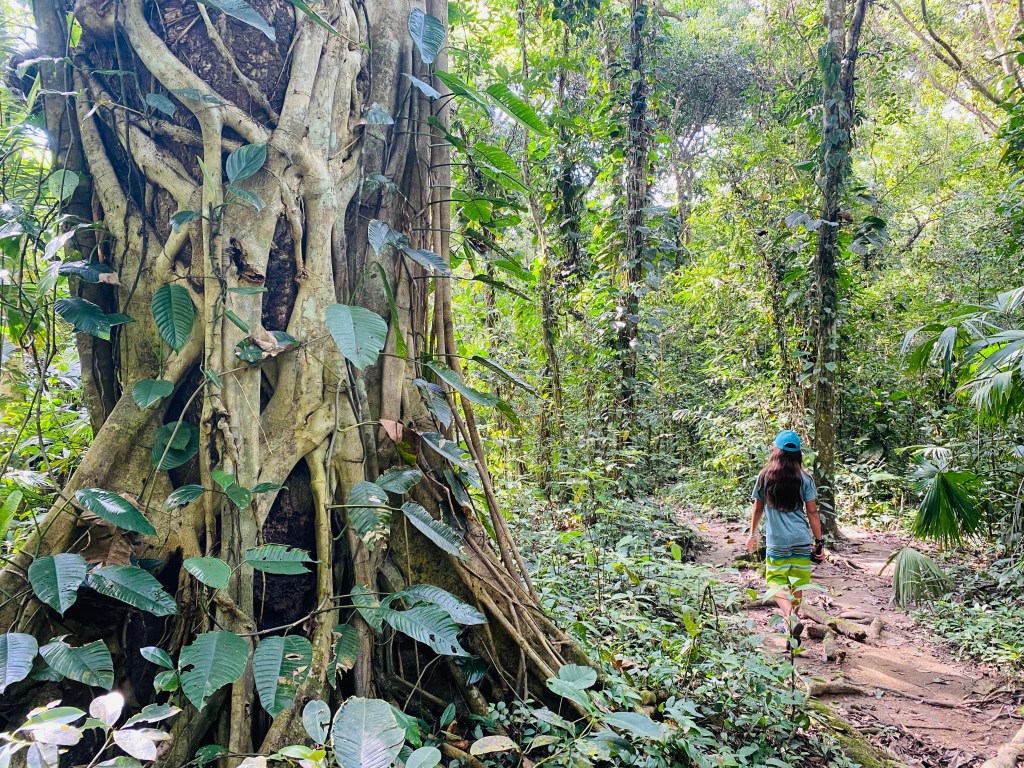
Tayrona is still the given name for the region’s most famous National Park, though Spanish cruelty and overwhelming disease quickly pushed the majority of Tayrona descendants into the higher mountains. Their cities, such as the famed Lost City were quickly devoured by jungle, and legends of El Dorado grew, inspired by the magnificent gold-plated jewelry of the Tayrona people. Tayrona Park preserves stretches of roadless coast bounded by steep jungle and brilliant coves strewn with granite boulders. Our three day coastal hike was one of the highlights of our time in that region. The descendents of the Tayrona (Kogi, Arhuaco, Wiwa, Kankuamo) continue to steward the Sierra Nevada mountains, even reclaiming some previously converted cattle pasture back to diverse tropical rainforest. They protect the forests and the river, and the habitat for our itinerant Tennessee Warbler, a bird that the ancestral Tayrona as well as their modern day descendents would recognize as a seasonal friend.


 Bueno Ramro
Leave a comment