by Shannon
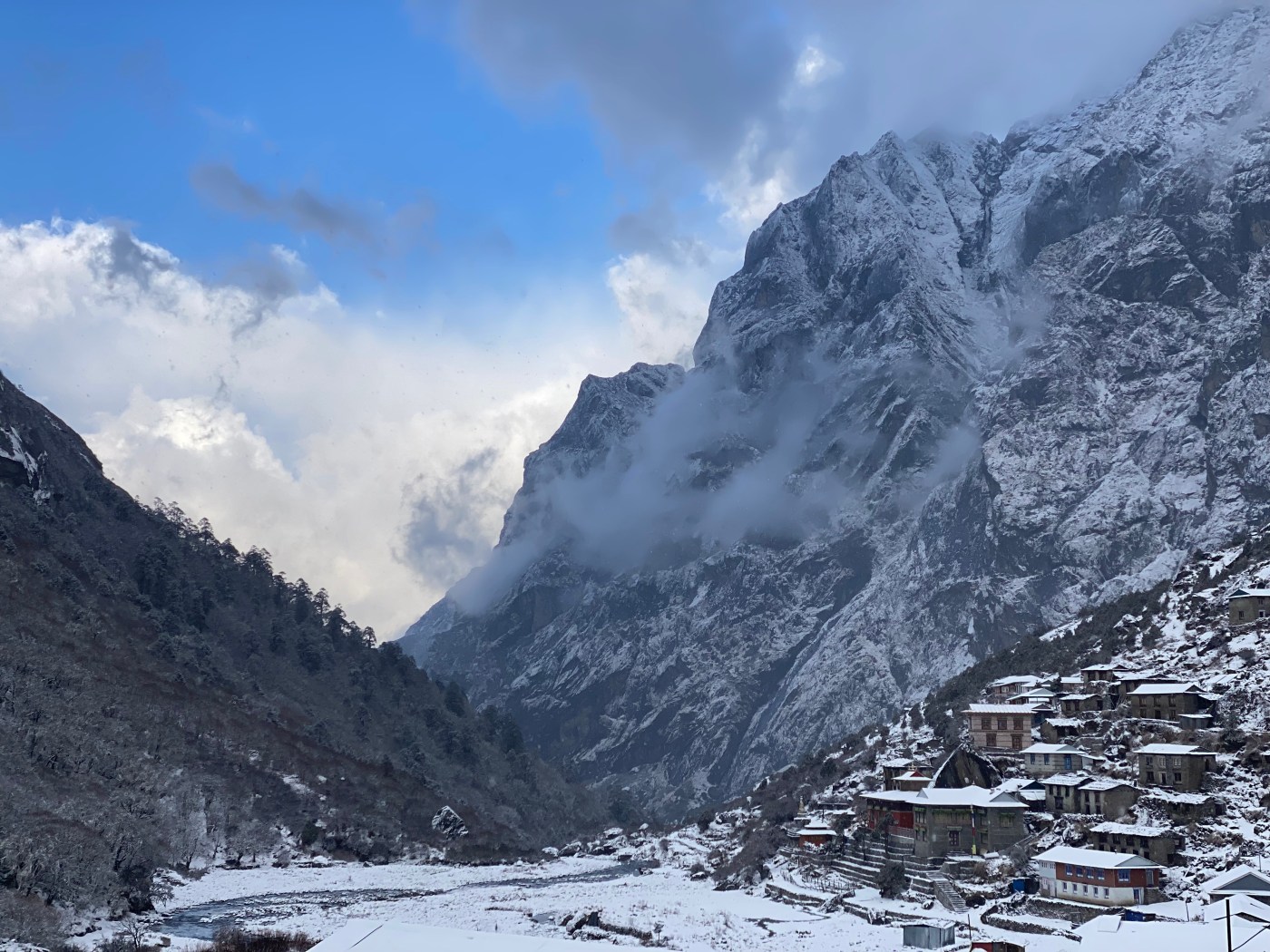
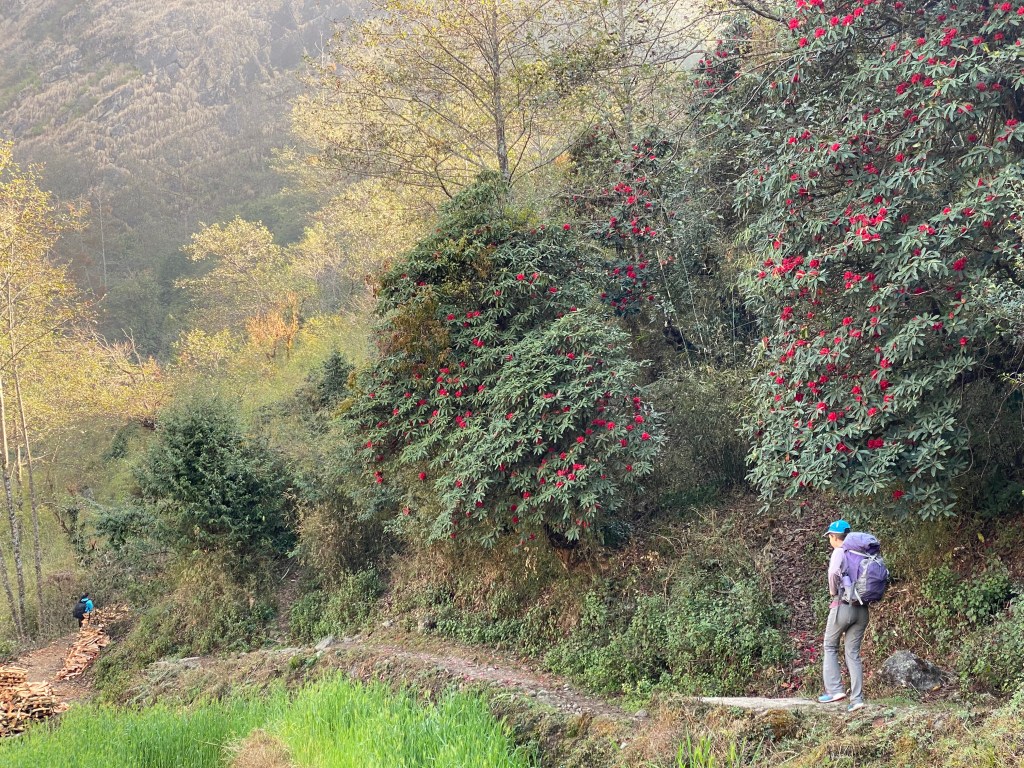
Two hours of stairs to make it to her doorstep. The Rolwaling Valley, nestled high along the Tibetan border in east-central Nepal, makes you work to gain entry. She demands you to be embodied and present as you walk through her myriad landscapes and ecosystems. In a dance with the Rolwaling River, you start in a lower temperate forest with mixed broadleaf trees as guides – rhododendron, white birch and oak lead you meandering along the valley wall, past terraced slopes of wheat and stone homes, into dense stretches inhabited by Red panda, Red fox, Musk deer, and Blood pheasant.
Ascending, constantly ascending, temperatures dropping, leaves are replaced by the evergreen needles of ancient Spruce, Himalayan fir and Juniper. The walls of the canyon grow steeper with waterfalls cascading towards the river. This river that swelled and raged beyond its banks, flashing and crashing beyond its course in late September when unexpected monsoon rains overflowed the glacial moraine leading to a GLOF or glacial lake outburst flood. The devastating event happened so fast that the alarm system set up to warn folks down valley couldn’t keep up. The water tore down hillsides, trees and rocks with them, now strewn awkwardly about the widened bed with the water now subsided to her modest winter flow. These GLOF events are more threatening with increasing global temperature, glacial retreat, and unpredictable monsoon rains.
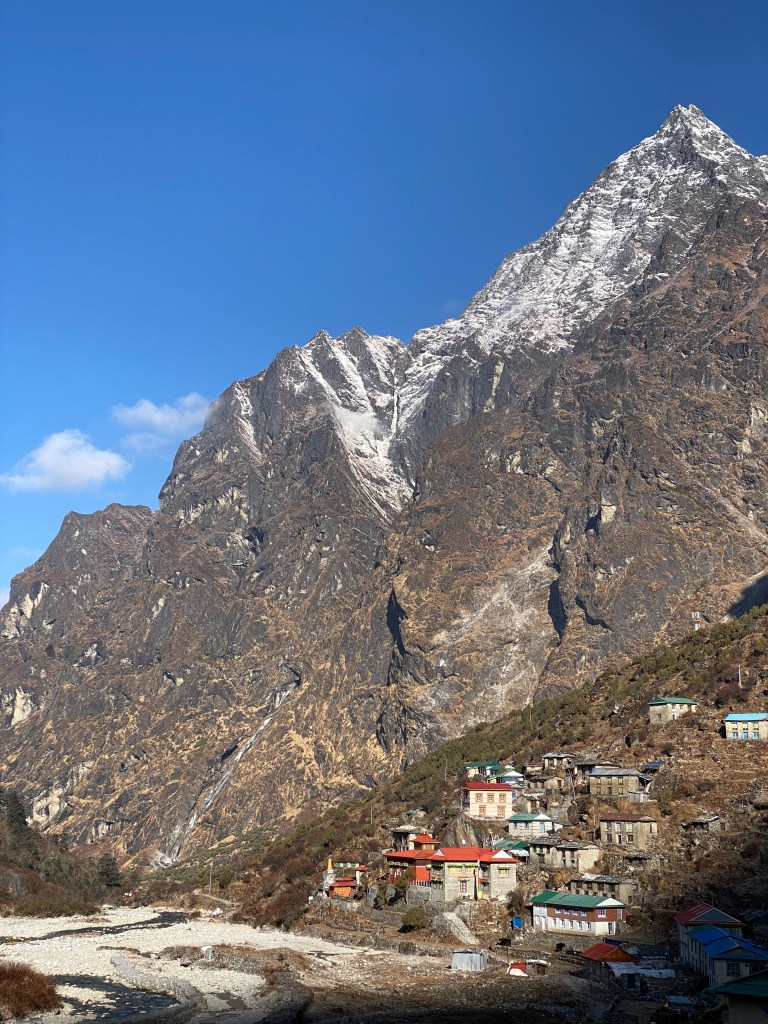
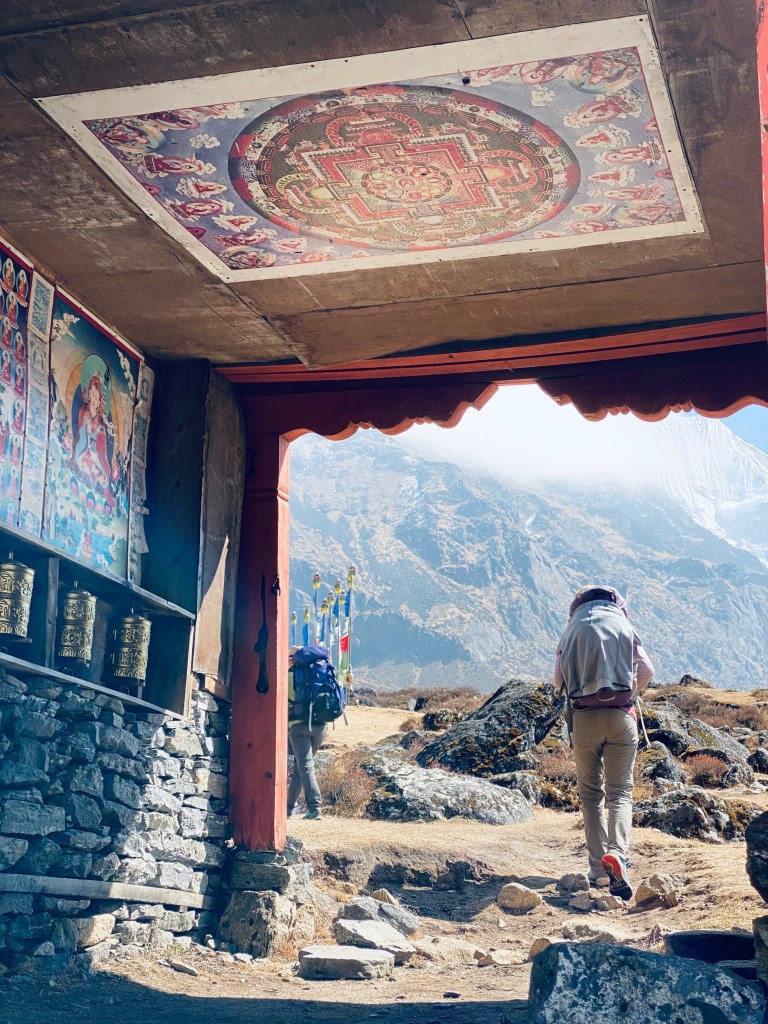
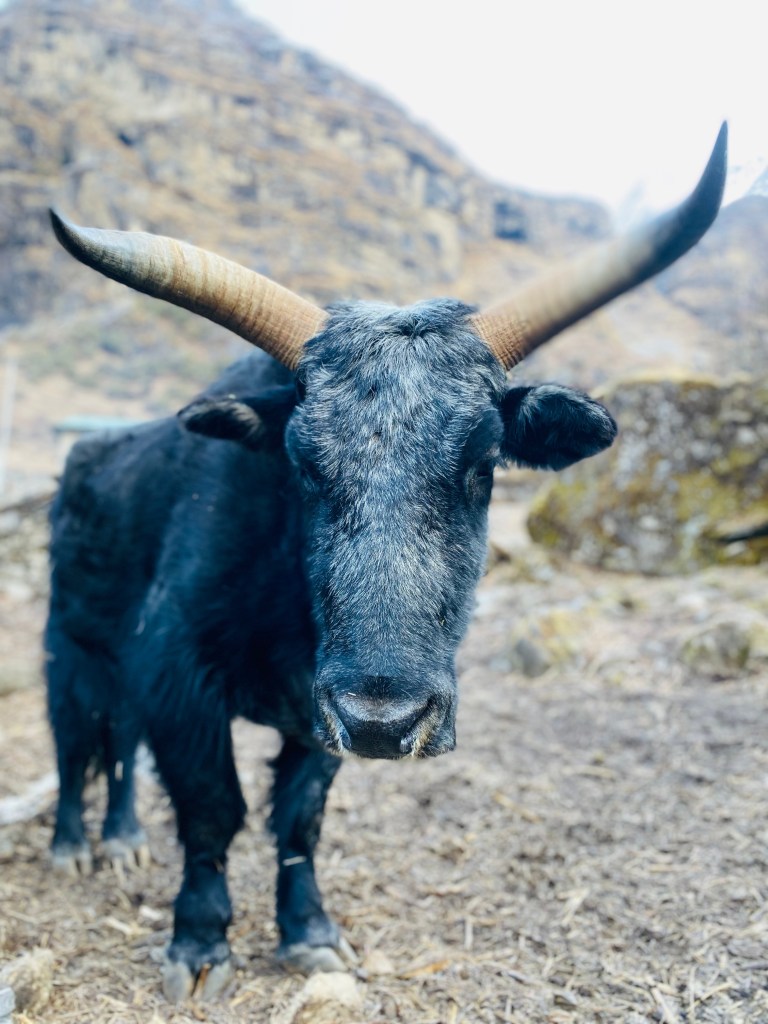
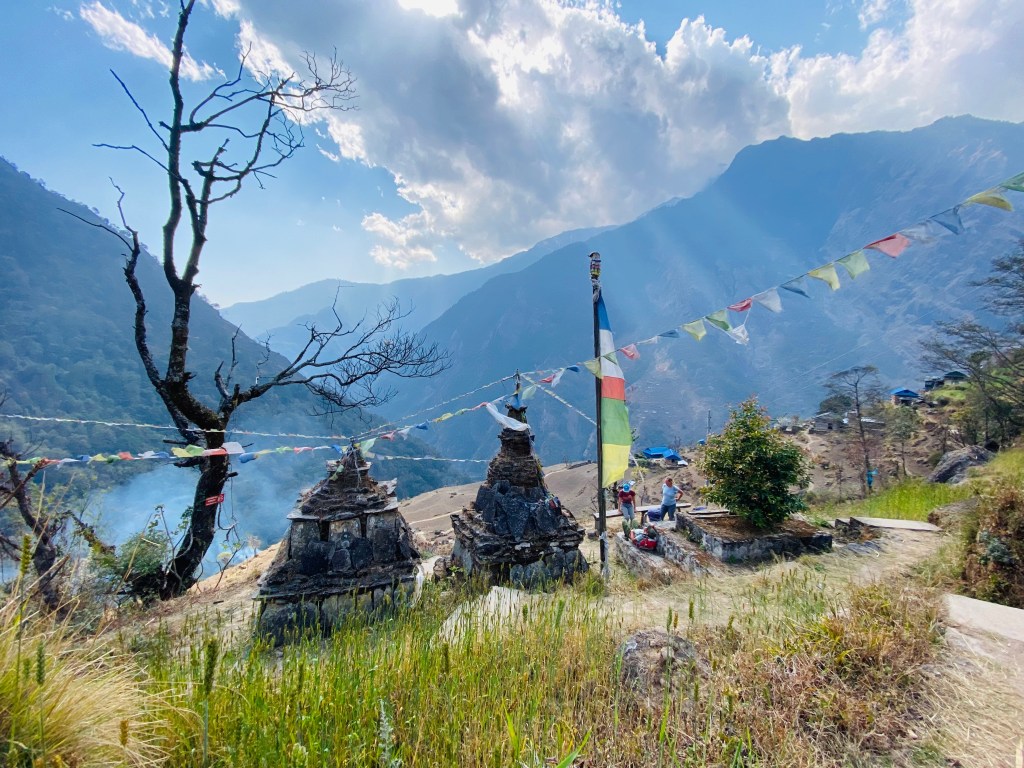
We walk along the new trails cut through the landslides, the highway systems of herders, yaks, and porters moving supplies up and down the valley. We ascend toward the snow, the alpine awaits. Trees turn to shrubs and tall grasses, potato now the main crop. The valley opens, inviting more hours of sun and a feeling of expansiveness. We enter the home of Pikas, Yellow-bellied weasels, Wolves, Himalayan tahr and Snow leopards. The trail now marked with chortens (Buddhist shrines), mani walls (slates with Buddhist prayers) and prayer flags. This is sacred land. These mountains temples. We don’t take for granted our entry to this holy place. We leave offerings, the whispers of our heart, mantras of gratitude and reverence.
 Bueno Ramro
Leave a comment