by Celia
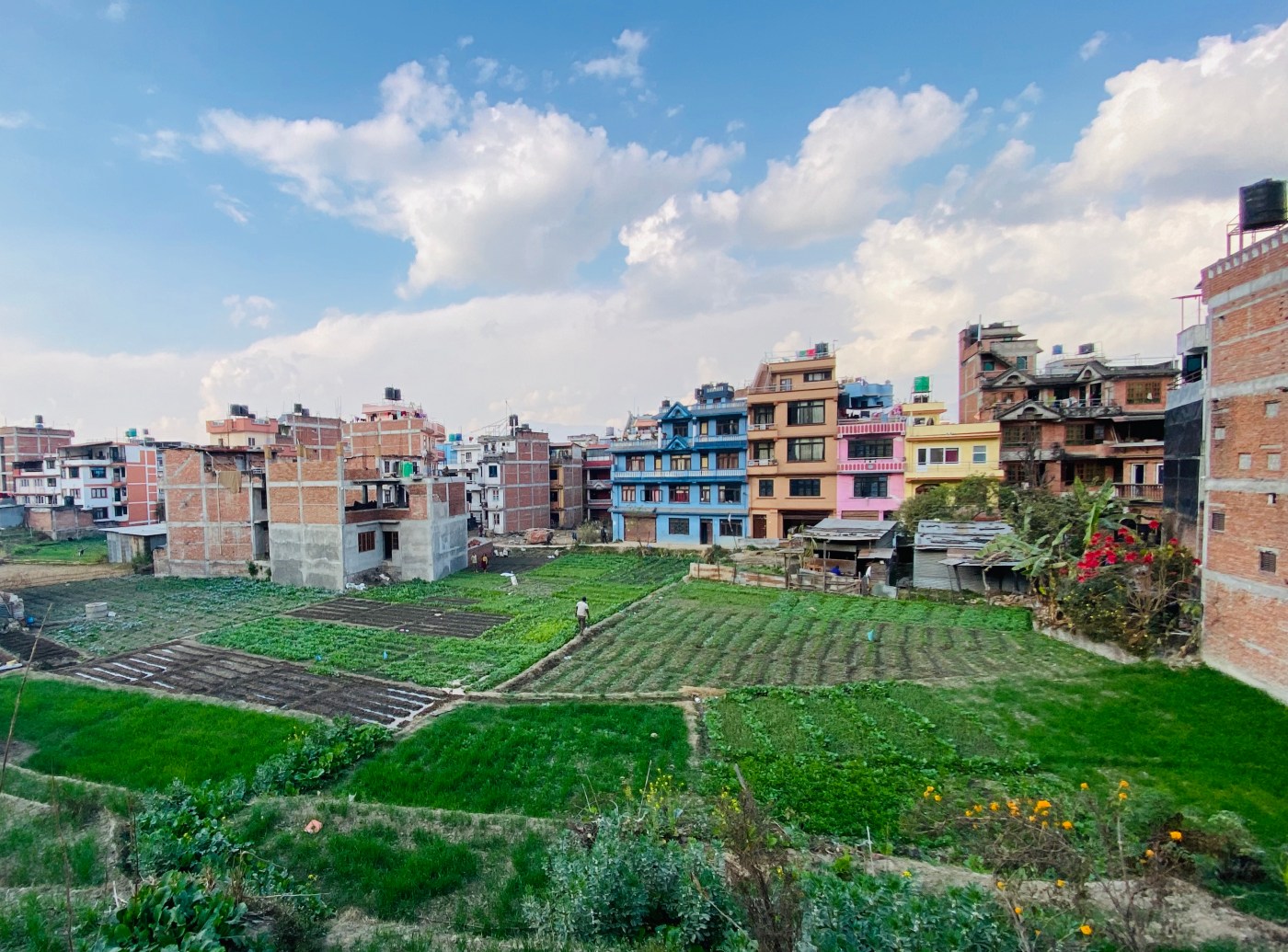
Tall, snow-capped mountains rise in the distance. Layers and layers of these peaks, higher than the clouds, higher than everything. Below in an old, river valley lies a giant, sprawling city – cement buildings and small mud huts, big roads crowded with vehicles and tiny alleyways filled with shops and people, crop-filled fields and animals grazing. A city like all modern cities, but so different and so unique.
When my family arrived in the Kathmandu Valley I was sick with pneumonia. We didn’t know this of course and were a little worried. I’d had a fever for nearly 5 days so my parents decided to take me to a private clinic. It was like any doctors office you would go to in the U.S. – a comfortable waiting area, private rooms, kind doctors who spoke English. If that had been my only experience I probably wouldn’t have been curious to learn more about health care in Nepal.
The doctor at the private clinic prescribed a 3 day antibiotic IV drip. Because of where we were staying in Bhaktapur we continued my care at a nearby government hospital. The hospital was drastically different from the clinic. The children’s ward was a small room with four hospital beds, one with curtains to offer privacy. The mood in the ward wasn’t as welcoming. It might have been because we are foreigners. Who knows? The doctors warmed up when I got my IV drip, but as I was looking around at the room and the supplies, the resources seemed more strained and scarce. I started to wonder, is this what most people have access to in the city? What about people in rural areas? Where do they get their care, and what sort of resources are available to them? In the time I’m here I am curious to find out more.
 Bueno Ramro
Leave a comment